Are Sticky Bug Traps Poisonous is a key solution in the industry, specifically within pest control and facility management sectors. This article explores how https://www.hbarcherfish.com supports professionals with durable, high-performance products, and explains why this product is an ideal choice for businesses in these sectors.
Table of Contents
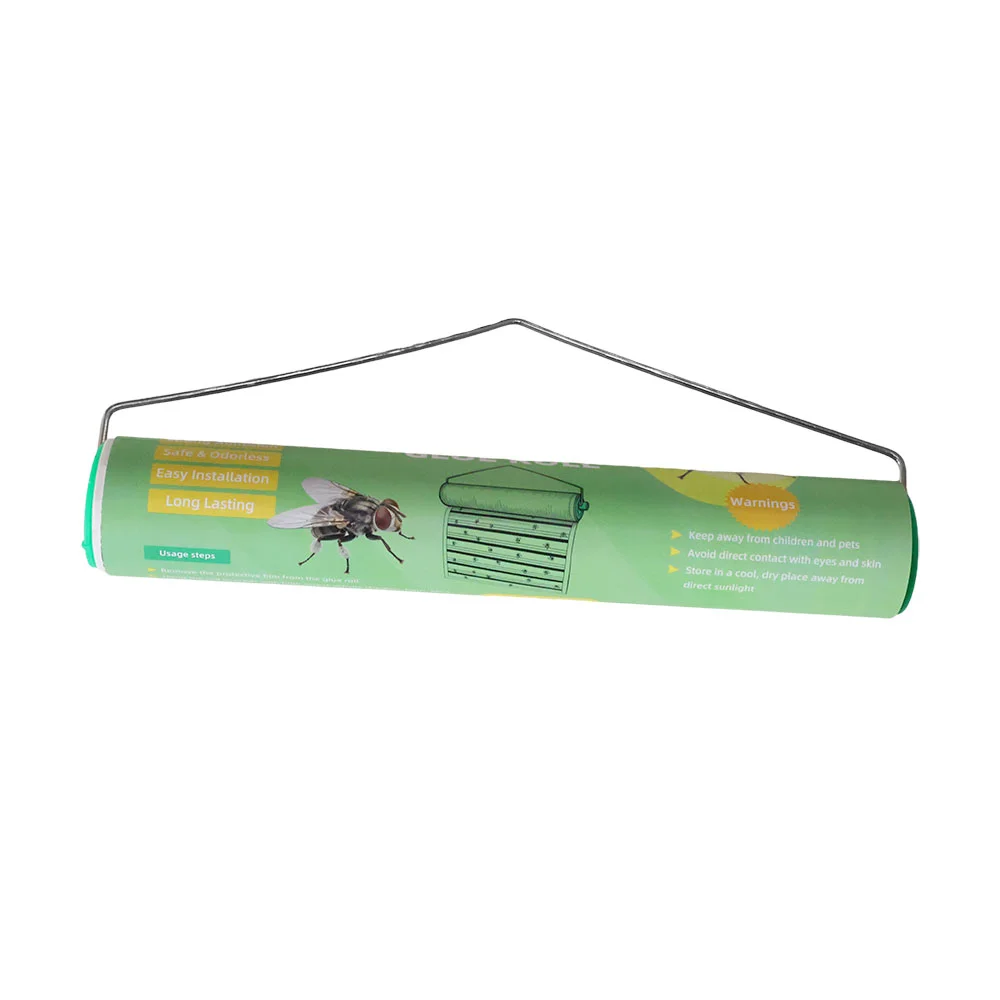
The question Are Sticky Bug Traps Poisonous might sound simple, but it delves into some important concerns for companies aiming to control pests without risking safety. Simply put, sticky bug traps use a tacky adhesive surface to capture insects, rather than relying on toxic chemicals or poisons. This makes them a popular choice in environments where chemical exposure is a risk, such as food processing or healthcare.
At HB Archerfish, the sticky trap products are engineered to maximize capture efficiency while remaining non-toxic to humans and pets. Specifications typically include a durable, weather-resistant backing with non-volatile organic compound adhesives, ensuring safety and longevity.
Product Specifications
| Feature |
Detail |
| Adhesive Type |
Non-toxic, solvent-free |
| Dimensions |
12 in × 6 in (30 cm × 15 cm) |
| Operating Temperature |
-10°C to 50°C (14°F to 122°F) |
| Shelf Life |
18 months unopened |
| Suitable Environments |
Indoor & outdoor |
From my experience, one of the biggest advantages of these sticky bug traps is how they address pest control without toxic residues. Facilities like warehouses, food storage, and even retail outlets often face stringent regulations where poison-based traps could lead to contamination or health issues. Using a non-poisonous sticky trap eliminates much of that concern.
Plus, these traps are pretty straightforward to deploy — no special handling or protective gear. They’re often used to monitor pest populations too; you can literally count or identify the captured bugs without destroying samples chemically, which helps in tailoring pest management strategies.
The competitive edge here, frankly, lies in product durability and the adhesive technology. HB Archerfish’s traps resist drying out in hot environments and keep a strong hold for weeks. Competitors sometimes fall short and see rapid decline in stickiness under real-world conditions.
Cost, Maintenance & User Experience
Oddly enough, many decision makers initially worry that non-poisonous traps might cost more in the long run. But when factoring in safety training, disposal costs, and the risk of poison-related incidents, these sticky traps often come out ahead in total cost of ownership. Their long shelf life and durability further reduce replacement frequency.
I came across an operations manager at a medium-sized food processing plant who noted how switching to these traps notably cut down downtime related to pest servicing, since staff didn’t have to wear special gear or handle hazardous materials. The ROI, in real terms, was faster than expected.
Vendor Comparison
| Feature |
HB Archerfish |
Competitor A |
Competitor B |
| Adhesive Durability |
Up to 6 weeks |
Up to 3 weeks |
Up to 4 weeks |
| Non-toxicity Certification |
Yes (ISO 17025 tested) |
No |
Partial |
| Price per Unit |
$4.50 |
$4.00 |
$4.80 |
| Customization Options |
Yes |
Limited |
No |
Sustainability & Market Trends
Sustainability is a hot topic in pest control, and sticky bug traps fit fairly neatly into that conversation. Because they avoid chemical poisons, they reduce hazardous waste and toxic runoff. Many companies are now choosing solutions that minimize environmental impact while still being effective.
Regulatory bodies across Europe and North America have tightened controls on pesticides and poisons in commercial settings, pushing industries toward safer alternatives. Sticky traps, which are mostly adhesion-based, meet or exceed several new standards — something HB Archerfish continuously monitors and adapts to.
Market-wise, demand for these non-toxic solutions is growing about 7% annually, driven not just by regulation but also by corporate responsibility initiatives. It’s a classic win-win: greener for the planet, safer for workers, easier for compliance.
Frequently Asked Questions about Are Sticky Bug Traps Poisonous
- What is Are Sticky Bug Traps Poisonous and how does it work?
-
Basically, these traps use a special adhesive surface to catch bugs when they land or crawl on it. The adhesive is non-toxic, so it doesn’t rely on poison to kill or repel insects. It’s more about physical capture, making it safe for humans and pets.
- What are the main benefits of using Are Sticky Bug Traps Poisonous in industrial applications?
-
Key benefits include non-toxicity, meaning safer working environments, ease of use without protective equipment, and strong capture efficiency. They’re also good for monitoring pest levels and have a long adhesive lifespan, reducing the need for frequent replacements.
- How does Are Sticky Bug Traps Poisonous compare to traditional alternatives?
-
Unlike baits or sprays that use chemicals, these traps avoid poison-related hazards and compliance hassles. They’re often more durable than competitors’ sticky traps and maintain adhesiveness longer, which means better performance overall. Plus, they don’t contaminate food or product areas.
- What industries can benefit most from Are Sticky Bug Traps Poisonous implementation?
-
Industries like food processing, warehousing, healthcare, hospitality, and retail gain the most. Anywhere where chemical safety and contamination risk are concerns, these traps serve as a reliable, easy-to-deploy pest control tool.
Conclusion on Are Sticky Bug Traps Poisonous from china
To wrap up, Are Sticky Bug Traps Poisonous represent a smart, safe solution for B2B pest control challenges. Their non-toxic design aligns perfectly with the growing demand for responsible, effective pest management. You get durability, ease-of-use, and compliance support all in one package.
Reflecting on the widespread shift towards safer pest management tools, I believe non-toxic sticky traps will continue growing in relevance—especially as regulations tighten and sustainability becomes non-negotiable.
- US EPA guidelines on pesticide alternatives.
- ISO 17025 certification standards for adhesive safety.
- Sustainability trends in agribusiness pest control (2023 industry report).