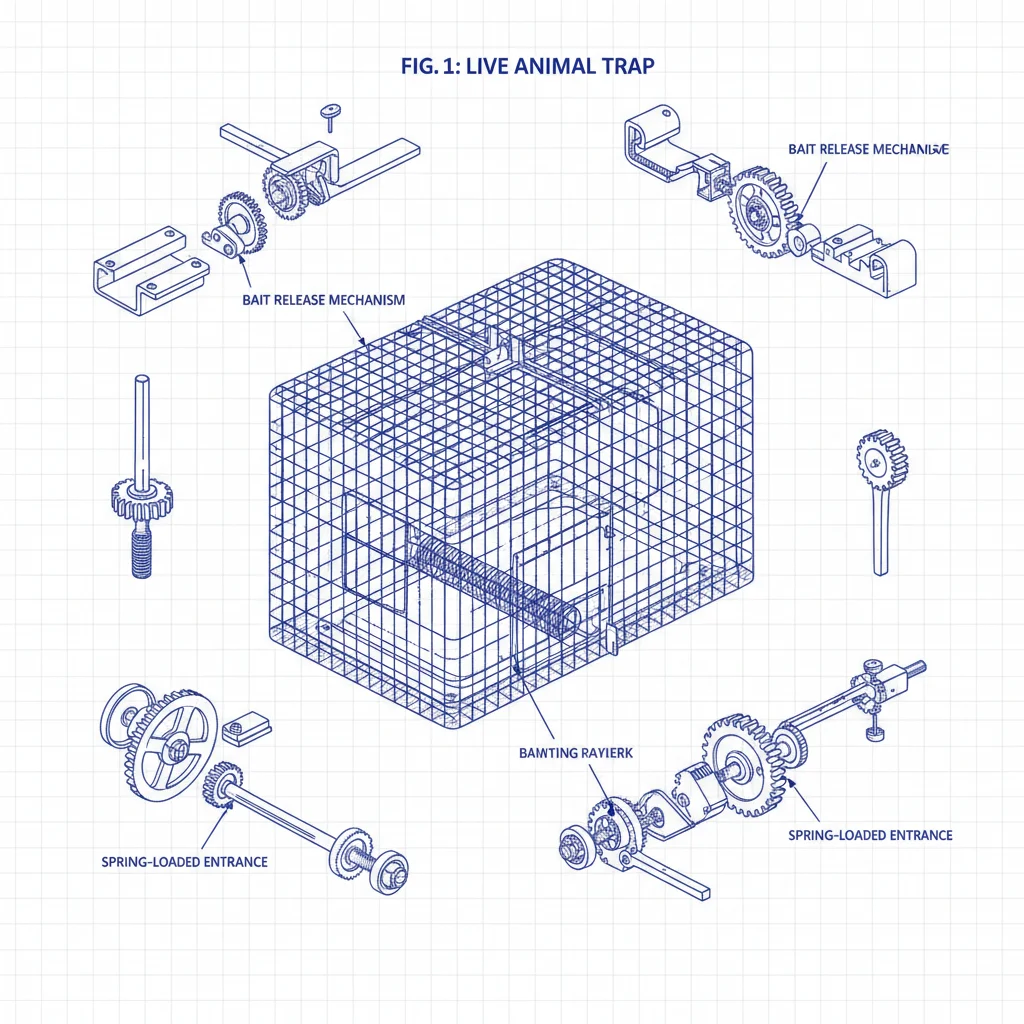
Animal traps, encompassing a broad range of devices designed to remotely catch or restrain animals, are critical tools in a diverse set of fields. From wildlife management and conservation efforts to pest control and scientific research, these implements play a significant role in our interaction with the animal kingdom. Understanding their design, functionality, and ethical considerations is paramount for responsible and effective application.
Globally, the use of animal traps is governed by varying regulations and ethical frameworks, reflecting differing cultural perspectives and conservation priorities. The need for effective and humane trapping methods is driven by increasing human-wildlife conflict, the spread of invasive species, and the imperative to protect endangered populations. According to the IUCN, sustainable wildlife management, often involving carefully deployed traps, is crucial for maintaining biodiversity and ecosystem health.
The modern iteration of animal traps represents a significant advancement from historical predecessors. Contemporary designs prioritize animal welfare, incorporating features that minimize stress and injury. This has led to innovations in materials, triggering mechanisms, and trap types, addressing concerns raised by animal rights groups and promoting more sustainable practices. Ultimately, a thorough understanding of animal traps is essential for professionals, researchers, and anyone involved in wildlife management.

Introduction to Animal Traps
Animal traps are not simply tools for capture; they represent a complex intersection of ecological need, technological innovation, and ethical responsibility. Their application extends far beyond traditional hunting and trapping for fur, now playing critical roles in conservation, research, and the management of invasive species. A nuanced understanding of their impact is essential for responsible wildlife stewardship.
The evolution of animal traps reflects a growing awareness of animal welfare and a commitment to minimizing suffering. Modern traps often incorporate non-lethal designs, allowing for the capture, study, and relocation of animals with minimal harm. This shift demonstrates a move towards sustainable practices that prioritize both human needs and the well-being of wildlife.
Defining Animal Traps
At its core, an animal trap is a device used to remotely catch or restrain an animal. These devices range from simple snares and pitfall traps to sophisticated mechanical designs incorporating sensors and remote monitoring capabilities. The defining characteristic is the ability to operate without the constant physical presence of the trapper, making them invaluable for remote or large-scale operations.
The connection to modern industry extends beyond wildlife management. Animal traps, or adaptations of their underlying technology, find applications in agriculture (pest control), public health (disease vector monitoring), and even security (perimeter defense). This adaptability highlights the versatility of the core principles behind animal trap design.
The ethical considerations surrounding animal traps are substantial and require careful consideration. Responsible trap usage demands adherence to regulations, prioritizing humane capture methods, and minimizing the potential for injury or distress to the target animal.
Key Components of Animal Traps
Effective animal traps rely on a combination of core components working in concert. The triggering mechanism, whether a simple pressure plate or a complex sensor system, initiates the capture process. The holding component – jaws, cage, or snare – physically restrains the animal. The construction materials, from steel and aluminum to durable polymers, dictate the trap's strength, longevity, and resistance to environmental factors.
A critical, often overlooked component is the camouflaging aspect. A successful trap blends seamlessly with its surroundings, minimizing the animal’s suspicion and maximizing capture rates. This necessitates careful consideration of color, texture, and scent control. The design also incorporates safety mechanisms, preventing accidental activation and protecting non-target species.
Furthermore, the type of trap—body-gripping, cage, snare—dictates its suitability for specific species and scenarios. Body-gripping traps are designed for rapid dispatch, while cage traps allow for live capture and relocation. Snares, though often controversial, can be effective for selectively targeting certain animals when used responsibly. The choice of trap type should always align with ethical guidelines and conservation objectives.
Durability and Reliability in Animal Traps
Durability is paramount for animal traps intended for long-term deployment in challenging environments. Traps constructed from high-quality materials, such as galvanized steel or corrosion-resistant alloys, can withstand harsh weather conditions, repeated use, and potential tampering. A robust design translates directly into increased effectiveness and reduced maintenance costs.
Reliability hinges on the consistent and predictable function of the trap's triggering and holding mechanisms. Regular inspection and maintenance are crucial to ensure these components operate flawlessly. A malfunctioning trap not only compromises its effectiveness but also poses a risk to both the target animal and non-target species.
Reliability Ratings of Different Animal Trap Components
Global Applications of Animal Traps
The applications of animal traps are globally diverse. In North America, they are extensively used in wildlife management programs to control populations of predators like coyotes and foxes, mitigating conflict with livestock and protecting vulnerable species. In Africa, traps are employed to monitor endangered animals like rhinos and elephants, aiding in anti-poaching efforts.
Across Europe, animal traps find use in controlling invasive species such as the American mink, which poses a significant threat to native bird populations. In Australia, they are critical for managing feral pigs and rabbits, protecting agricultural land and sensitive ecosystems.
In post-disaster relief operations, specialized traps can assist in capturing and relocating displaced wildlife, minimizing human-animal conflict in affected areas. Furthermore, research institutions rely on animal traps for studying animal behavior, population dynamics, and disease transmission.
Advantages of Utilizing Animal Traps
The primary advantage of animal traps lies in their ability to operate remotely and continuously, making them efficient for large-scale monitoring and control. This contrasts with direct observation or active pursuit, which are often labor-intensive and impractical. Properly deployed traps can provide valuable data on animal populations, distribution, and movement patterns.
Compared to lethal control methods, humane traps offer the opportunity for live capture and relocation, minimizing animal suffering and providing a more ethical solution. They also offer a targeted approach, reducing the risk of harming non-target species when used correctly. Utilizing these traps can decrease the danger of human-wildlife encounters.
Future Trends in Animal Trap Technology
The future of animal traps is focused on enhancing selectivity, minimizing animal stress, and integrating smart technologies. Developments in sensor technology will enable remote monitoring of trap status, animal identification, and environmental conditions. Artificial intelligence (AI) is being explored for image recognition, allowing traps to differentiate between target and non-target species.
Materials science is yielding lighter, stronger, and more durable trap components, reducing environmental impact and extending product lifespan. Sustainable materials, such as biodegradable polymers, are also gaining traction. The integration of GPS tracking and remote activation capabilities will further streamline trap management and improve efficiency.
Summary of Advanced Animal Trap Features
| Feature Category |
Technology Application |
Benefit to Wildlife |
Impact on Efficiency |
| Sensor Integration |
Motion Detection & Species Recognition |
Reduced Non-Target Capture |
Increased Data Accuracy |
| Material Science |
Biodegradable Polymers & Lightweight Alloys |
Reduced Environmental Footprint |
Easier Trap Deployment |
| Remote Monitoring |
GPS Tracking & Cellular Connectivity |
Rapid Response to Capture Events |
Reduced Labor Costs |
| AI Integration |
Image Analysis & Automated Species Identification |
Minimized Human Bias |
Improved Species Specificity |
| Power Systems |
Solar Powered & Extended Battery Life |
Reduced Maintenance Frequency |
Increased Operational Range |
| Trap Design |
Automated Door Release & Secure Caging |
Enhanced Animal Welfare |
Faster Capture/Release Cycles |
FAQS
Animal traps are designed to capture a diverse range of animals, from small rodents and birds to larger mammals like foxes, coyotes, and even bears. The specific design and size of the trap are tailored to the target species, ensuring effective capture while minimizing harm. Selecting the appropriate trap type is crucial for both ethical and practical reasons.
Regulations governing animal trap usage vary significantly by location, ranging from strict prohibitions to highly regulated permitting systems. These regulations often dictate the permissible trap types, seasons, and required training for trappers. Adhering to these legal frameworks is vital to ensure responsible and ethical trapping practices. Ignoring regulations can result in hefty fines and legal penalties.
Humane trap use involves several key practices. Regularly check traps (at least twice daily) to minimize animal stress. Choose traps appropriate for the target species and avoid those known to cause significant injury. Use appropriate bait and camouflage to attract animals effectively and reduce anxiety. Relocate captured animals responsibly, following local regulations.
Potential risks include accidental capture of non-target species (bycatch), injury to captured animals, and potential hazards to humans or domestic pets. Improperly maintained traps can malfunction and cause harm. It's crucial to choose the right trap for the situation and inspect it regularly to mitigate these risks. Always follow safety guidelines and comply with local regulations.
Alternatives to traditional traps include exclusion fencing, repellents, habitat modification, and integrated pest management strategies. Live trapping and relocation can also be used, although this requires careful planning and adherence to local regulations. The best approach often involves a combination of methods tailored to the specific situation and target species.
Proper maintenance involves regular cleaning to remove debris, rust prevention through lubrication, and inspection of moving parts for wear and tear. Store traps in a dry, secure location, away from children and pets. Disassemble traps when not in use to prevent accidental activation. Replace worn or damaged components promptly to ensure reliable performance.
Conclusion
In conclusion, animal traps remain a vital tool across diverse fields – from wildlife conservation and research to pest control and public health. Their evolution reflects a growing emphasis on humane practices, technological innovation, and responsible management. Understanding the core components, applications, and future trends surrounding these devices is paramount for professionals and informed stakeholders alike.
Looking forward, continued advancements in sensor technology, materials science, and AI integration promise to enhance the selectivity, efficiency, and ethical considerations of animal traps. Embracing these innovations, alongside stringent regulatory frameworks and ongoing education, will ensure the sustainable and responsible application of animal traps for years to come. To learn more about specialized applications and trap solutions, visit our website: www.hbarcherfish.com