Garden kneeler and Seat, Foldable Garden Stool for Kneeling and Sitting to Prevent Kneeler
Garden Kneeler and Seat, Foldable Garden Stool Heavy Duty Gardening Bench for Kneeling and Sitting to Prevent Knee & Back Pain, Gardening Gifts for Women, Grandparents, Seniors, Mom & Dad
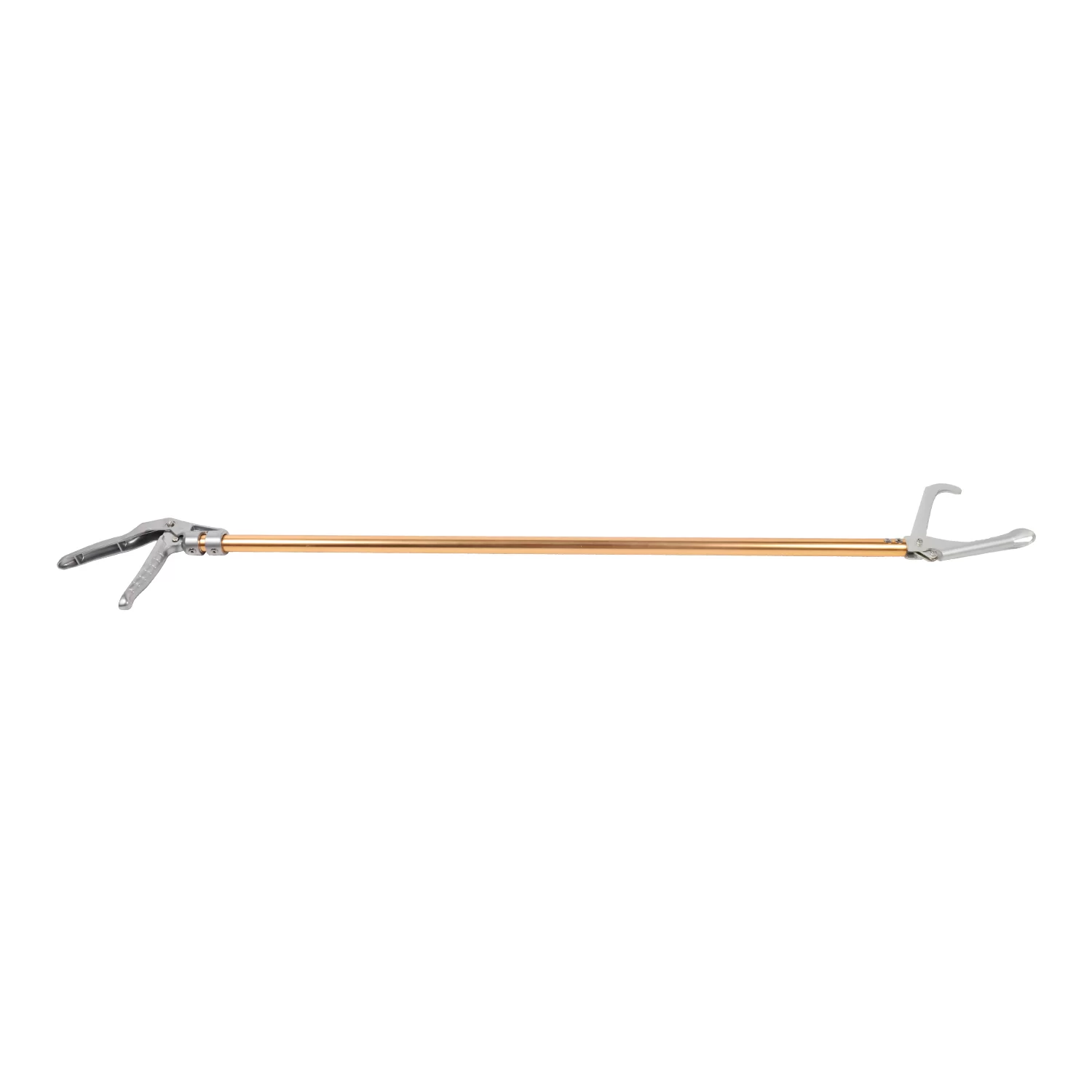
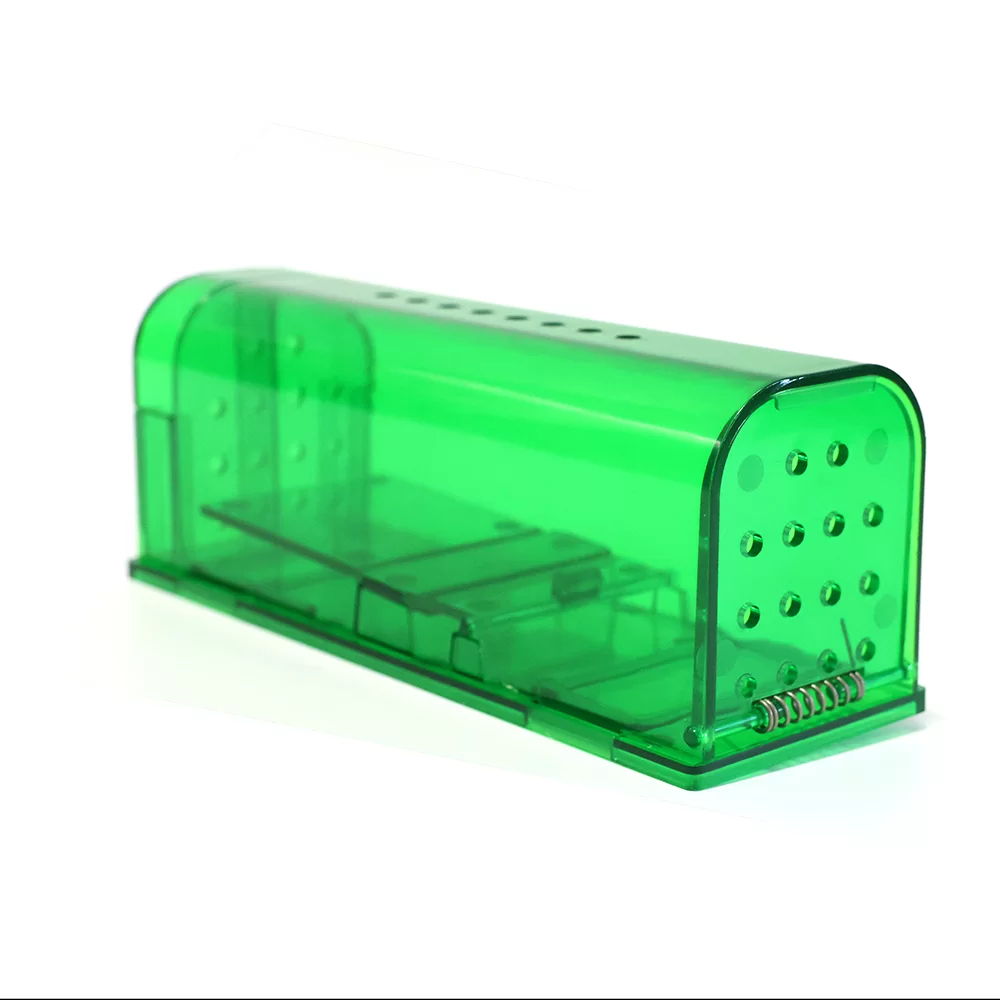
Animal traps for sale represent a critical component in wildlife management, pest control, and ecological research. The demand for effective and humane trapping solutions is globally significant, driven by the need to protect agricultural yields, conserve endangered species, and manage invasive populations. Understanding the nuances of these tools – from their construction and deployment to their ethical considerations and legal frameworks – is paramount for professionals and responsible landowners alike. The efficacy of animal traps for sale relies on selecting the right tool for the target species and situation. The market for animal traps for sale is diverse, encompassing a wide array of designs catered to specific animals and control objectives. From live traps designed for relocation to lethal traps employed for population control, the options are extensive. This variety reflects the complex challenges of wildlife management in different ecological contexts. The global wildlife control market is projected to continue growing, fueled by increasing urbanization and the expansion of agricultural lands, thereby increasing demand for animal traps for sale.
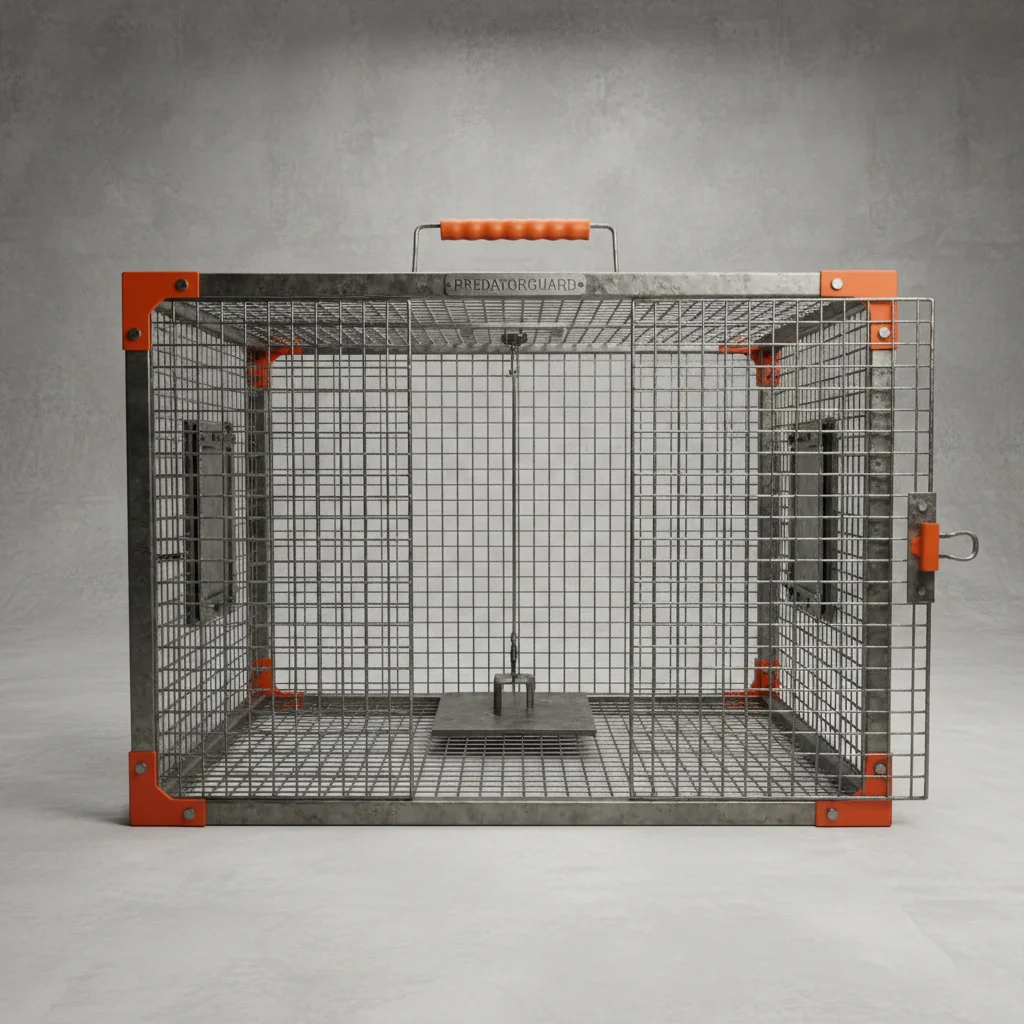
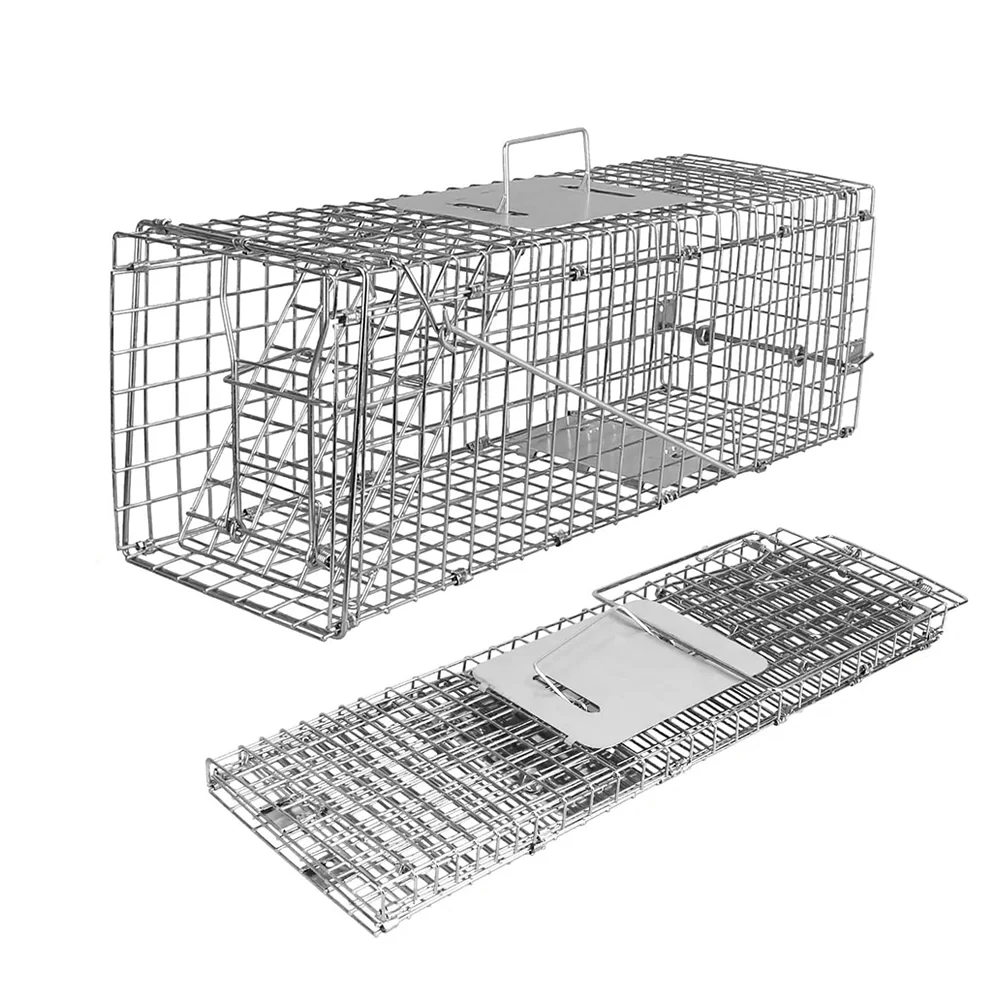
The innovative application of cage trap technology is rapidly evolving, offering solutions to diverse challenges across multiple sectors. Initially conceived for animal control, its principles are now being adapted to address critical needs in disaster relief, temporary housing, and secure logistics. Understanding the fundamentals of cage trap construction and deployment is vital for organizations and individuals seeking rapid, cost-effective, and adaptable solutions. Globally, the demand for flexible and quickly deployable infrastructure is escalating due to increasing natural disasters, humanitarian crises, and the need for adaptable workspaces. Cage trap systems, offering inherent portability and modularity, provide a compelling alternative to traditional construction methods, which are often slow, expensive, and environmentally impactful. According to the UN Office for Disaster Risk Reduction, the number of recorded disaster events has increased fivefold over the past 50 years, underscoring the urgent need for resilient and rapidly deployable solutions.
Leg traps, often associated with historical hunting practices, represent a surprisingly versatile and increasingly relevant technology in modern applications. While traditionally employed for capturing animals, the core principles of controlled engagement, reliable triggering mechanisms, and secure containment are being adapted for a range of critical functions, from wildlife management and invasive species control to innovative engineering solutions. Understanding the intricacies of leg traps, beyond their historical context, offers valuable insights into mechanics, material science, and responsible resource management. The global need for effective and adaptable capture and control mechanisms is growing. Climate change is shifting animal distributions, leading to increased human-wildlife conflict. Invasive species threaten biodiversity and agricultural productivity. Furthermore, advancements in engineering often require robust and reliable components for testing and containment.