Yellow Sticky Traps DIY: A Practical Industrial Approach
Having worked in the industrial equipment field for over a decade, I’ve seen my fair share of pest control solutions—everything from high-tech automated traps to simple, low-tech fixes. Yellow sticky traps DIY is one of those clever, cost-effective tools that feels straightforward but packs a surprisingly effective punch when done right.
Oddly enough, while these traps seem almost rudimentary, the design and material choices behind them can seriously impact their performance. Many engineers I’ve worked with swear by them for monitoring and controlling insect populations in greenhouses, warehouses, and even certain manufacturing environments where chemical treatments aren’t ideal.
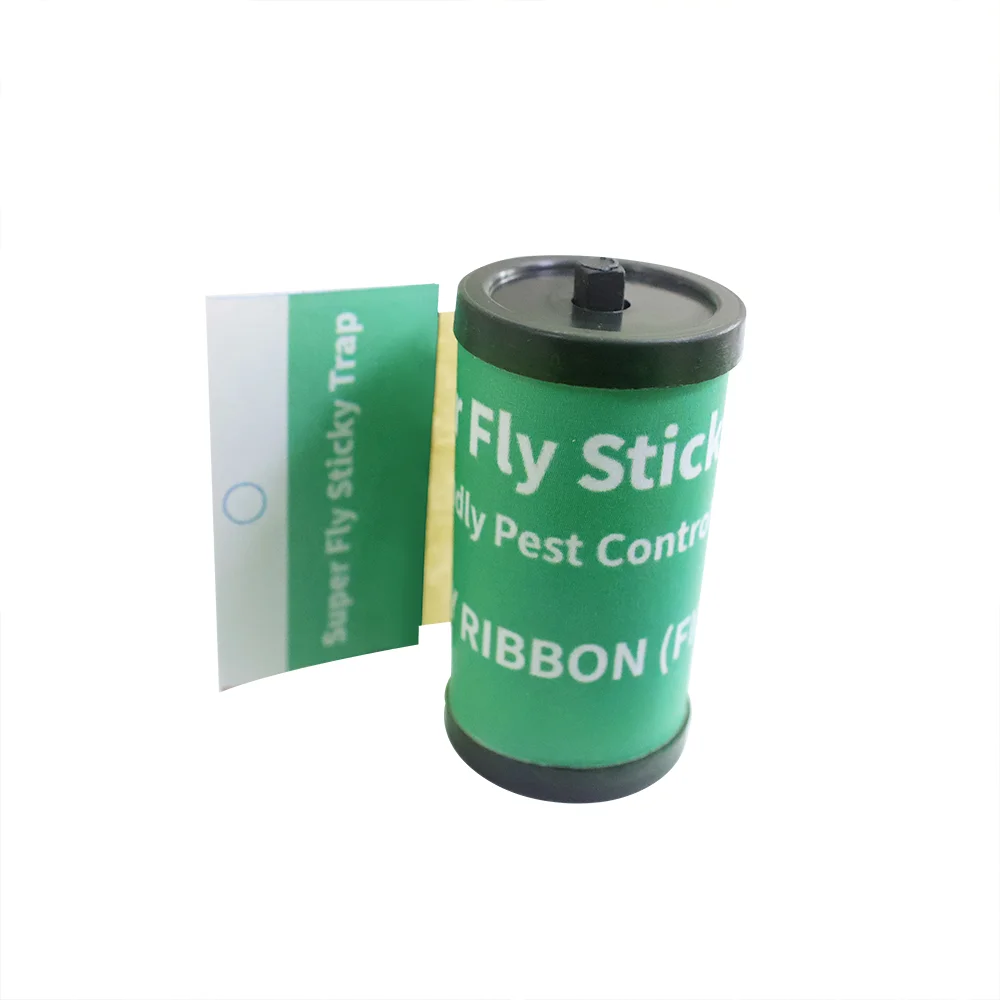
At its core, a yellow sticky trap is simply a bright yellow card coated with a sticky adhesive that lures and captures flying pests like whiteflies, aphids, and fungus gnats. The color yellow isn’t picked arbitrarily, either—it’s been shown time and again to attract these insects due to their color vision sensitivity, which responds strongly to yellow wavelengths.
Now, when making these traps yourself, you’d want to select materials that hold up in the environment you’re using them in. I remember a project where a client tried standard paper with homemade glue—while it stuck the bugs, it fell apart within a week of humidity exposure. From that experience, I’ve come to appreciate the value of weather-resistant polypropylene sheets combined with UV-stable adhesives. It doesn’t cost much more but vastly improves durability.
Here’s a quick rundown of key product specs that define a good yellow sticky trap:
| Feature |
Specification |
| Material |
Polypropylene film (water-resistant) |
| Adhesive Type |
Non-toxic, UV-stable sticky gel |
| Dimensions |
10 × 20 cm (standard size) |
| Color |
High-visibility yellow (Pantone 109C or similar) |
| Shelf Life |
Up to 12 months if stored properly |
When selecting a vendor or comparing DIY kits and industrial suppliers, it’s wise to focus not only on the price but also on customizability and durability. Let me share a small comparison based on my recent research and client feedback from trusted manufacturers:
| Vendor |
Material Quality |
Customization |
Price per 100 Units |
Lead Time |
| GreenGuard Supplies |
High-grade polypropylene |
Color and size options |
$45 |
2 weeks |
| EcoTrap Pro |
Moderate polymer quality |
Limited customization |
$35 |
1 week |
| StickyTech DIY Kits |
Basic materials, user-assembled |
Flexible, kit-based |
$25 (includes glue and cards) |
3-5 days |
In real terms, many industrial users find that while full DIY kits like those from StickyTech offer the best cost savings and flexibility, they require some trial and error to get adhesives and colors just right. On the other hand, pre-assembled traps from GreenGuard Supplies might cost a little more, but you get consistency and warranty-backed materials that handle tough environments better.
One of my more memorable projects involved a nursery where fungal gnats were wreaking havoc. We opted for a simple but scalable approach using high-quality yellow sticky traps sourced from one of these suppliers. The staff was amazed by how quickly they could monitor population spikes and reduce pesticide use—just by placing the traps cleverly around the substrate areas. It’s a reminder that sometimes, the old-school methods still hold a lot of value.
Ultimately, the question often comes down to yellow sticky traps DIY or ready-made. Considering my experience, starting with a purchased quality option, observing what works in your environment, then tweaking your own DIY versions is usually the best bet.
So, if you’re thinking about integrating yellow sticky traps in your pest management toolkit, keep an eye on the details—materials, adhesives, and color intensity can make all the difference. Frankly, it's a deceptively simple tool that, if treated with respect and proper knowledge, can save a lot of headaches.
A small but effective solution, often underestimated.
References:
- Industrial Pest Control Journal, 2022 - Importance of color in insect traps
- Greenhouse Management Monthly, 2023 - Adhesives and material durability
- Client Case Study, Regional Nursery, 2021